

Dental estimates • Procedure scope

Which insurance can help with dental work?

An estimate may combine cleaning, radiographs, an extraction or a tooth-preserving procedure. Find out which work the proposed benefit actually recognizes.

Owner at home beside a small gray-and-white dog
✓ Policy-first ✓ Independent ✓ Useful checks
Direct answer
Some pet insurance can pay for eligible dental work, but the reason for treatment and the specific procedure both matter. A plan covering dental accidents may not cover disease or routine cleaning; a disease benefit may still restrict particular procedures. Compare the veterinarian’s proposed work with the exact dental wording, history rules and benefit limits before budgeting a payment.
Compare

Ask for a work description that can be compared with a policy

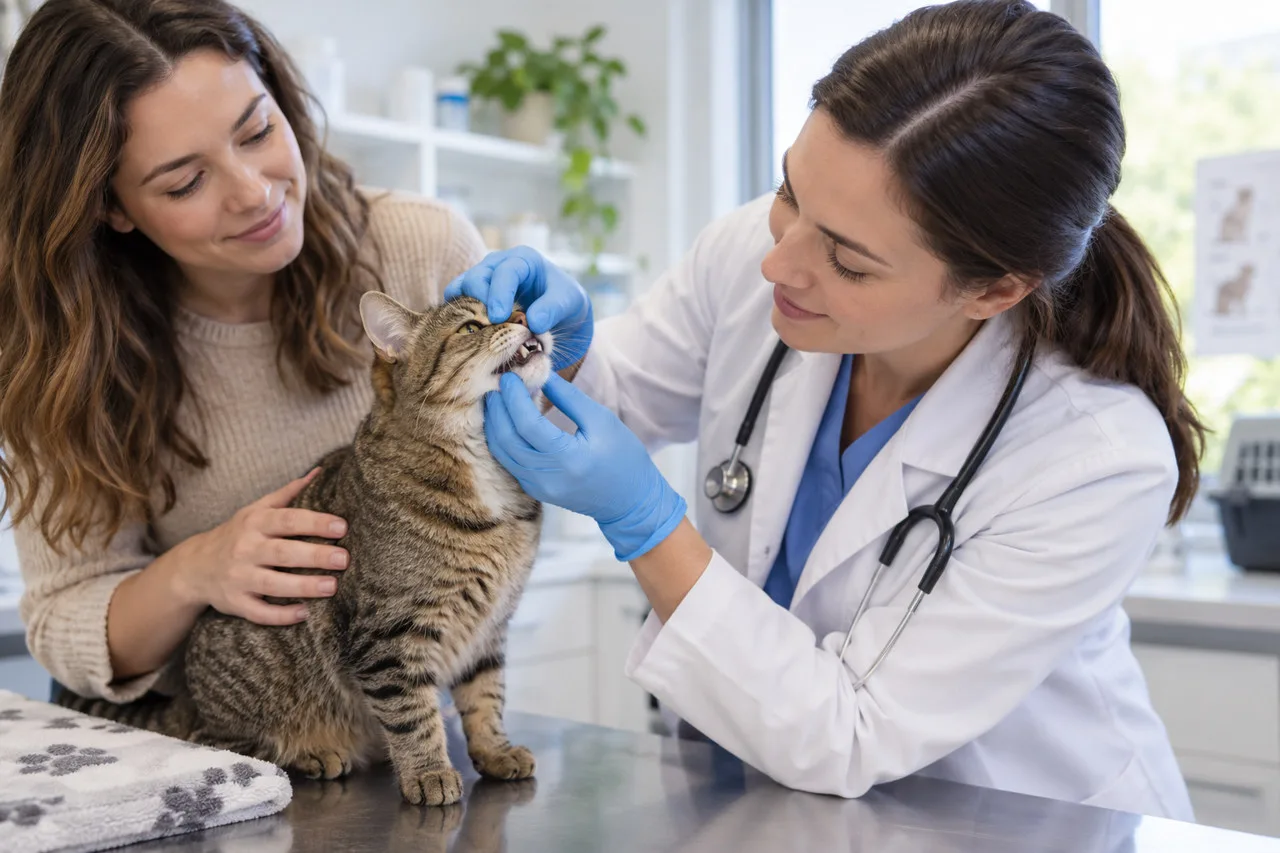
Veterinarian examining a cat’s mouth with an owner nearby
A clinical examination supplies facts for the dental-work description; the image establishes no diagnosis.

Begin with the veterinarian’s diagnosis or suspected problem and the work being proposed. “Dental” is too broad for a useful insurance answer. Ask the practice to distinguish the examination, imaging, cleaning, any treatment already expected and procedures that might become necessary after further assessment.

The AVMA explains that periodontal problems below the gumline can require dental radiographs to assess their extent. That is why the final plan may need more detail than an owner can see by looking at the teeth. The clinical team should explain what is known and what remains conditional.

  • Which work is routine prevention, and which is intended to treat a disease or injury?
  • Are there alternative procedures, and what makes each clinically appropriate for this pet?
  • Which charges are firm estimates and which depend on findings during assessment?
  • What records will describe the reason for each procedure on the final claim?

The aim is a faithful description, not an insurance-friendly label. Do not ask the veterinarian to call disease an accident or elective work medically necessary simply to match a benefit.

Coverage

A covered tooth problem does not prove every treatment option is covered

Ask separately whether the condition qualifies and whether the proposed procedure is within the benefit. For example, an extraction and a tooth-preserving treatment can raise different policy questions even when they address the same tooth. This is a contractual comparison, not advice to choose one clinical treatment over another.

Fetch’s current coverage description includes injury and disease in adult teeth and discusses endodontic treatment such as root canals. That makes procedure scope worth investigating in its actual state offer. This guide does not adopt Fetch’s claims about competitors or assume every dental procedure is eligible.

Give every insurer the same description of the alternatives. Ask it to identify an exclusion, allowance or limitation that distinguishes them. If the answer is only “dental is included,” the procedure question remains unresolved. Discuss any coverage gap with the veterinarian while keeping clinical suitability at the center of the care decision.

What to know

Do not confuse the two Current insurer dental descriptions

Dental Illness Addresses eligible new dental disease; routine cleaning and pre-existing dental conditions are excluded, and a deductible applies.
Dental Care The state-dependent option combines cleaning and disease benefits, describes coverage for pre-existing dental conditions and no deductible, and has initial addition limited to ages zero through three. Keeping it later requires continuous coverage and retaining the add-on.

New-policy waiting rules and required preventive care remain important. Obtain the state-specific endorsement, applicable payment percentage and dental limit. A no-deductible benefit does not mean the entire estimate is paid, and an existing-condition exception does not establish immediate eligibility for every animal.

No individual quote or state-specific Dental Care endorsement was obtained for this article. An older animal that did not already retain the option should not be assumed able to add it for work now needed.

What to know

Handle the work that cannot be finalized in advance

Suppose the practice estimates a cleaning and imaging but says additional treatment may depend on the findings. The insurance request should preserve that uncertainty. Ask which benefit applies to the planned services and which documentation would be needed if treatment is added.

Ask the insurer whether it offers a pre-treatment review, what documents it requires and what the response means. A preliminary explanation can leave the final diagnosis, work performed or policy conditions unresolved. Do not treat a clinic estimate, a customer-service reply and a binding authorization as interchangeable.

Agree with the veterinary team how it will discuss newly identified work and associated costs under its own consent process. Insurance research should help you prepare financially; it should not replace that clinical conversation. If the animal has pain, swelling, bleeding or difficulty eating, contact a veterinarian promptly rather than waiting for a new insurance arrangement.

Compare

Compare the final work with the decision, line by line

When the final invoice arrives, match the procedures with the dental chart and insurer’s explanation. Identify whether a reduction came from excluded work, a history rule, a missing record, cost sharing or an exhausted allowance. Those are different reasons and require different questions.

If a procedure was classified differently from what you expected, ask the insurer which wording and clinical information it used. Ask the practice to clarify factual ambiguities in the record if needed. Preserve the original history and the final findings accurately.

For future protection, the most useful comparison is one you can state precisely: the offered benefit addresses the kind of dental work you intend to insure, with known limitations you can fund. A dental label on a price page is only the beginning.

Evidence

Sources and policy context

These public references support the consumer or veterinary context. Named insurer details were checked in official product materials; the policy offered for your pet and state determines the actual terms.

Next step

Compare Current Pet Insurance Rates

Check current options for your pet and location, then compare the policy details, exclusions, costs, and eligibility before choosing.

Compare the policy before you choose Check the actual offer, exclusions and out-of-pocket terms.
See Rate Options